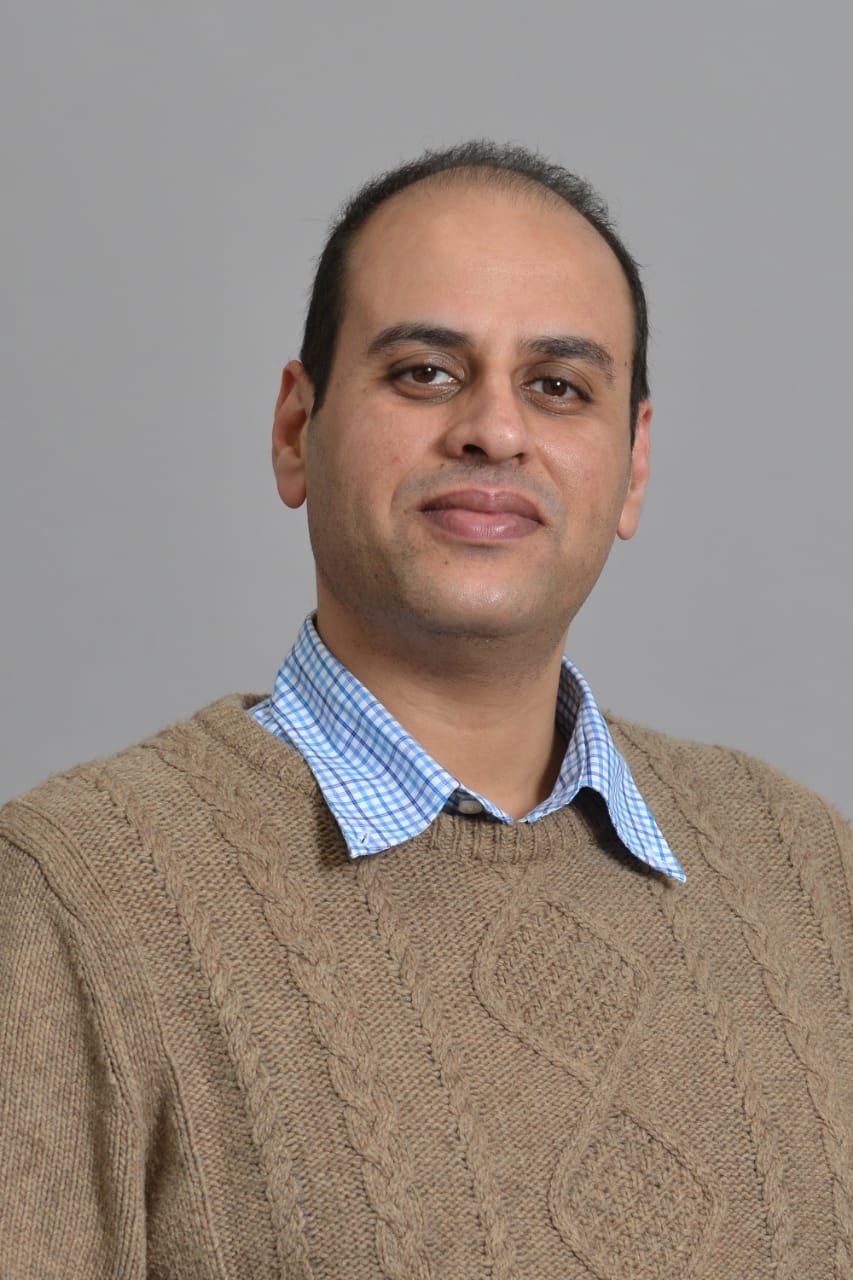
Mohamed Azab, Ph.D.
Associate Professor
Department of Computer and Information Sciences,
Virginia Military Institute, VA, USA
e-mail: azabmm@vmi.edu, mazab@vt.edu
About
Dr. Mohamed Azab is an Associate Professor of Computer and Information Sciences at the Virginia Military Institute, where he leads the Cyber Security and IoT Lab. His work focuses on securing modern digital and physical systems, including IoT platforms, wireless networks, smart grids, and industrial control environments. His research interests include zero trust architectures, moving target defense, AI-assisted security, and post-quantum readiness for cyber physical systems.
Dr. Azab works at the intersection of academic research and real-world deployment. He has led multiple funded projects and has collaborated with partners from universities, industry groups, and government organizations. His publications appear in top-tier venues, and his research forms a cohesive agenda around securing mission-critical cyber-physical systems, linking secure infrastructure, robust communications, identity and trust mechanisms, privacy-preserving operations, and experiential cybersecurity education.
He mentors students across academic levels (undergraduate, master’s, and PhD) on research-driven projects that span secure and resilient SCADA and industrial control systems, including DNP3 and related operational technologies, as well as wireless and IoT security, immersive XR-based cyber training, and autonomous sensing for emergency response. His mentorship approach integrates students directly into ongoing research, giving them meaningful roles in designing and developing educational platforms and experimental testbeds. He has established multiple applied research and training environments, including a smart-grid cybersecurity testbed, many of which were created by students and for students to support hands-on investigation, experiential learning, and workforce development.
Through his research, teaching, and student mentorship, Dr. Azab aims to strengthen the resilience of systems that communities rely on every day and to prepare the next generation of cybersecurity professionals who will defend these systems in the years ahead.